Buybye ERP
Evolving a retail operations platform through UX, UI, and rebranding
Role
Duration
Tools
TEAM

Project Overview
Evolving an internal retail product
The ERP was initially developed by Methodos to support Buybye’s operational processes. As the product evolved, its development and operation transitioned to Buybye, becoming an important part of the company’s internal infrastructure.
I participated in the project from its early development in 2019 and later continued contributing to the product’s evolution, including the interface updates introduced during Buybye’s rebranding in 2024.
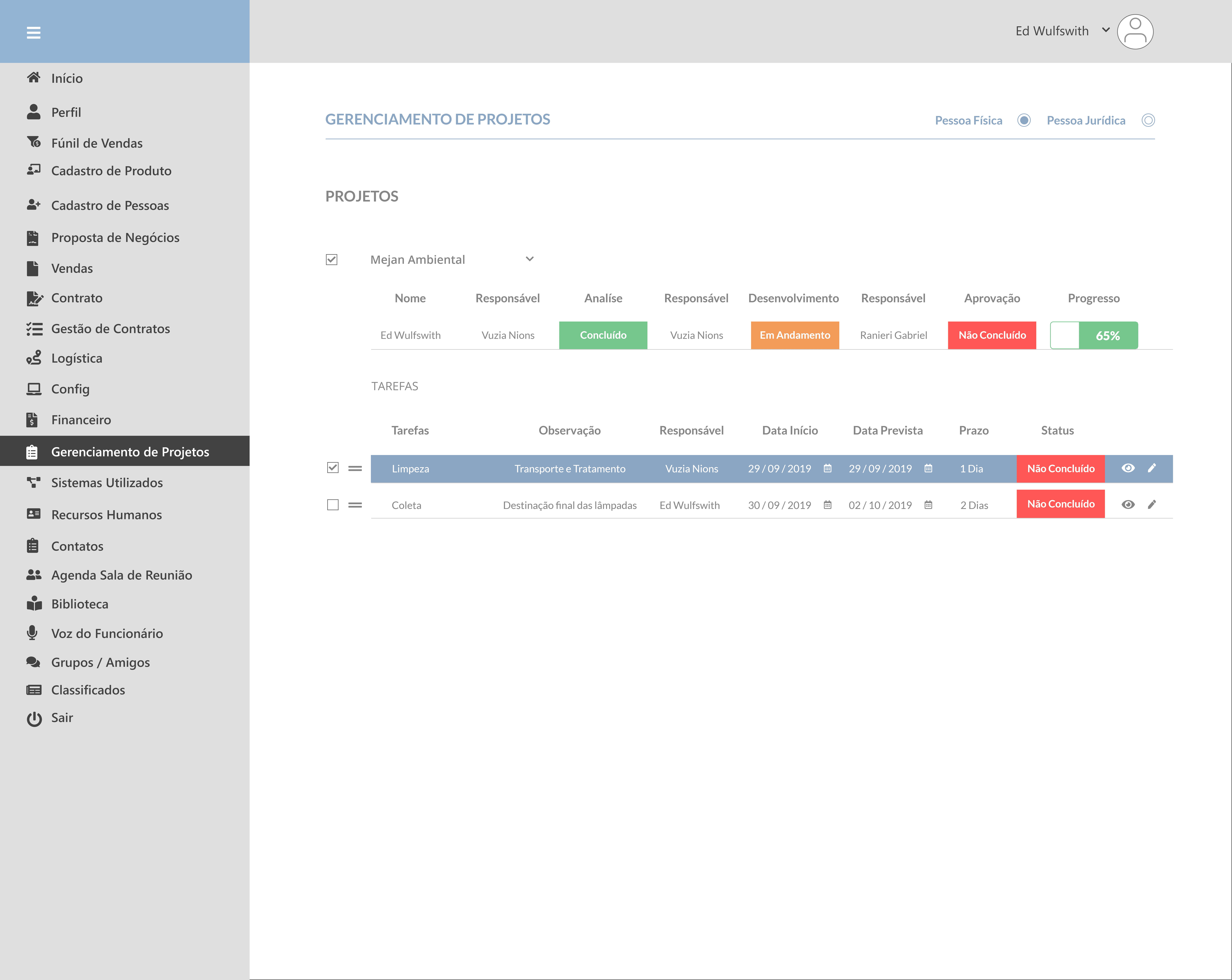
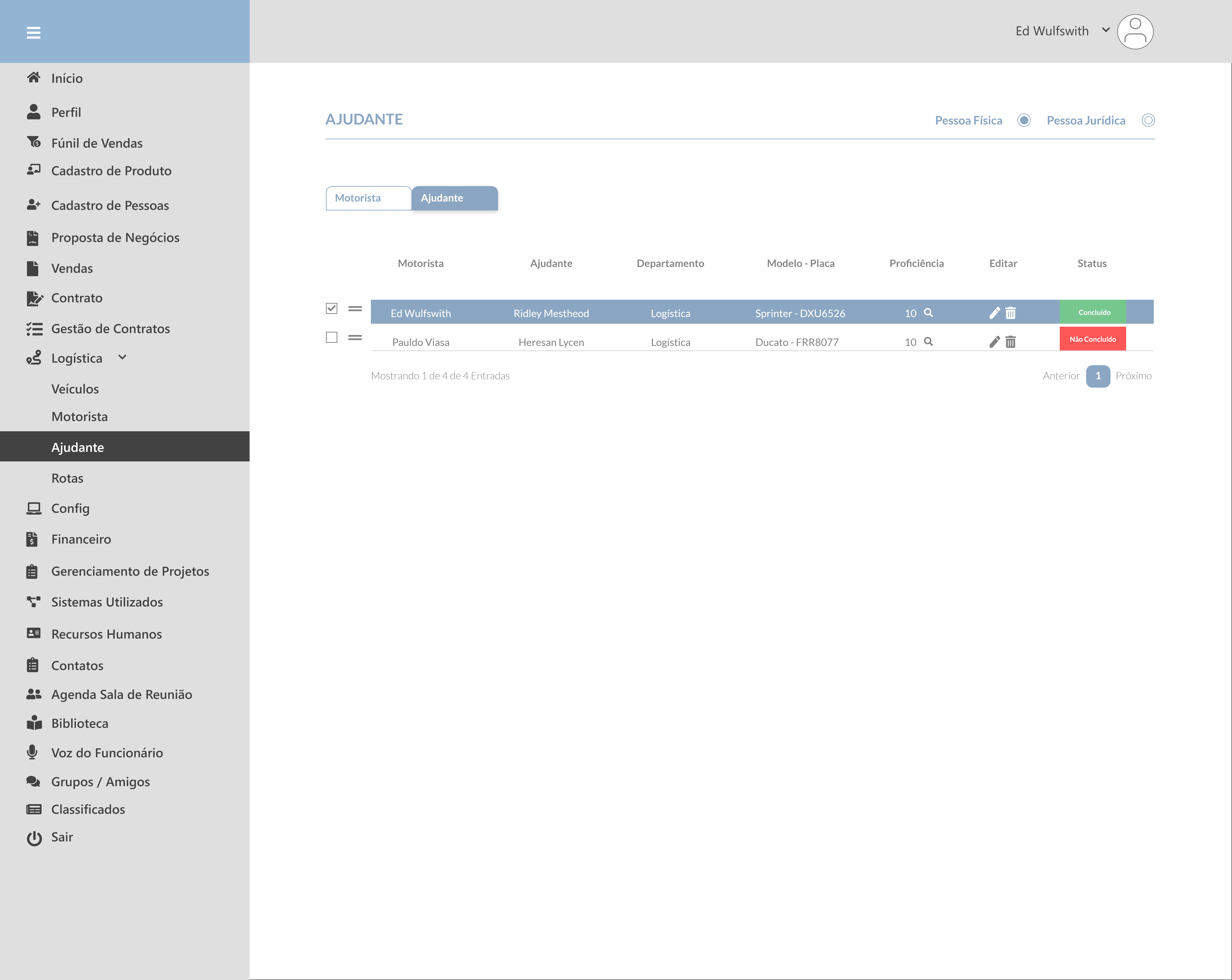
The ERP evolved alongside the company’s autonomous retail ecosystem, supporting new operational needs as products such as the Buybye app and self-service terminal were introduced.

UI Design
Evolving the interface
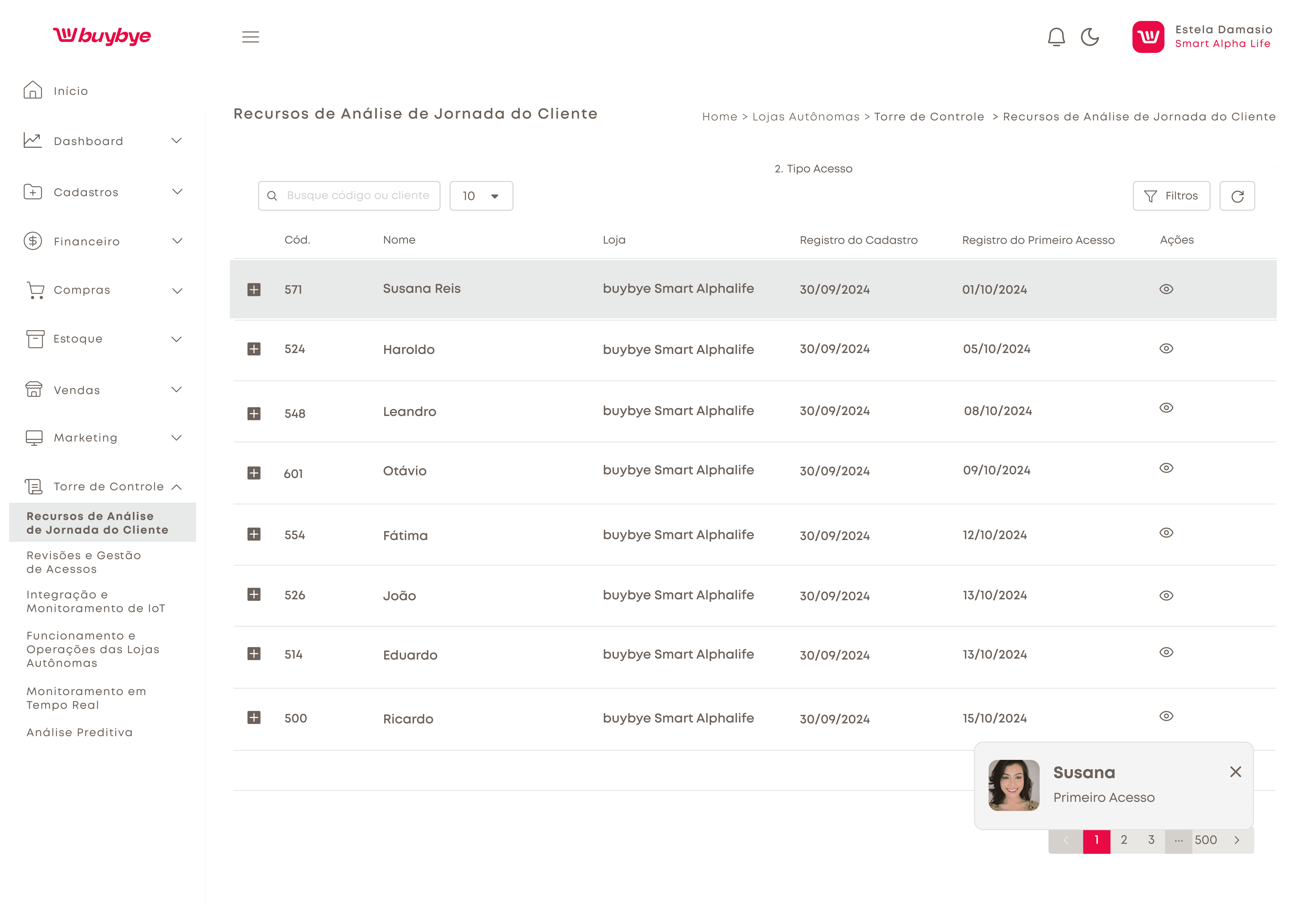
In 2024, the interface was updated to reflect Buybye’s new visual direction while maintaining the functional requirements of an established internal product.
The visual evolution focused on creating a more consistent interface across different functionalities, improving hierarchy, clarity and the overall visual coherence of the system.


Final Interface
The evolved ERP experience
The updated interface brought Buybye’s new visual direction into the ERP’s existing functionalities, creating a more consistent and contemporary experience for internal users.
The final screens represent the evolution of the product across different operational contexts while preserving the functionality required by the system.


Reflection
Evolving alongside the Buybye ecosystem
The evolution of the ERP was closely connected to the expansion of Buybye’s autonomous retail ecosystem, including the introduction of new channels such as the mobile app and self-service terminal.
As these solutions evolved, the ERP also needed to support new operational needs and provide greater support for franchisees managing their autonomous stores.
This experience reinforced the importance of designing internal products that can evolve alongside new technologies, business models and operational requirements.

