Autopec E-commerce

Redesigning Autopec’s e-commerce experience to strengthen its digital presence and online sales.

Role

Product Designer — UX, UI & Information Architecture

Product Designer — UX, UI & Information Architecture

Duration

4 months · 2025

4 months · 2025

Tools

Figma

Figma

TEAM

Tray E-commerce

Tray E-commerce

Munchrun cover
Munchrun cover
Table of Content
No headings foundSelect the Frame that wraps your article content → open Accessibility → set Tag to main, article, or section.This message disappears as soon as headings are detected.

Project Overview

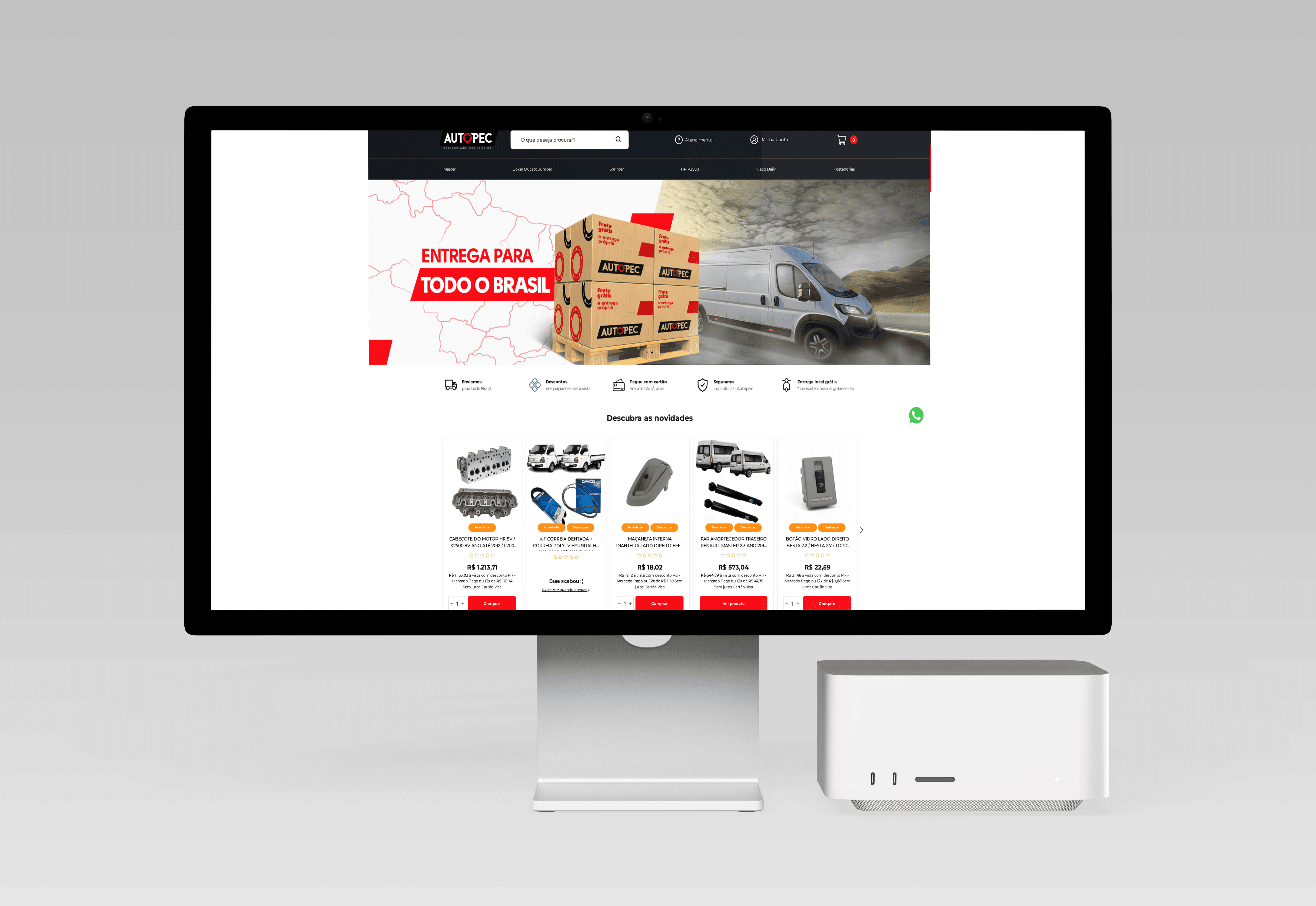
Structuring and redesigning the Autopec e-commerce experience

The project focused on restructuring and redesigning the Autopec e-commerce experience within the Tray platform. My work covered information architecture, content organization, user flows, wireframes, UI design and reusable components, adapting the experience to the platform’s existing framework.
Context

Autopec is a well-established automotive parts company serving the Campinas, Americana and Sorocaba regions. Its business continues to be strongly driven by physical stores and counter service, with mechanics and automotive professionals representing an important part of its customer base.

As the market continues to evolve and online sales become increasingly relevant, strengthening Autopec’s digital presence has become an important opportunity to complement its established sales channels, including its presence on Mercado Livre, with its own online shopping experience.

Context

Autopec is a well-established automotive parts company serving the Campinas, Americana and Sorocaba regions. Its business continues to be strongly driven by physical stores and counter service, with mechanics and automotive professionals representing an important part of its customer base.

As the market continues to evolve and online sales become increasingly relevant, strengthening Autopec’s digital presence has become an important opportunity to complement its established sales channels, including its presence on Mercado Livre, with its own online shopping experience.

Problem Statement

How might we evolve Autopec’s existing website to strengthen its digital presence while complementing its established sales channels?

The challenge was to create a more structured and contemporary experience while working within the existing platform.

Solution / Design Strategy

The solution focused on organizing the journey into clear and predictable steps, using strong visual hierarchy, contextual guidance and touch-friendly interactions to simplify the self-service experience.
Benchmark

Benchmark

Benchmark

Benchmark

Benchmark

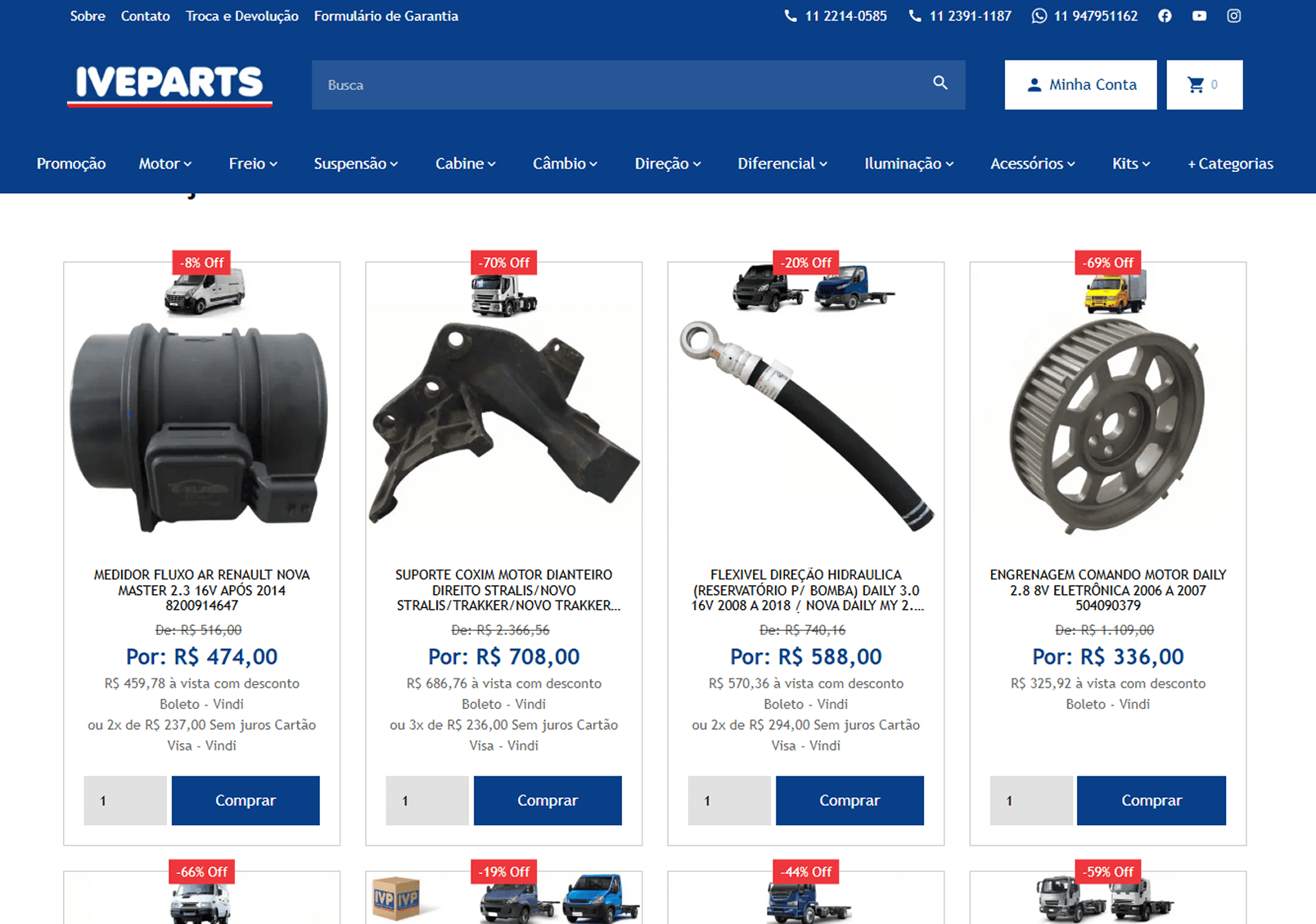
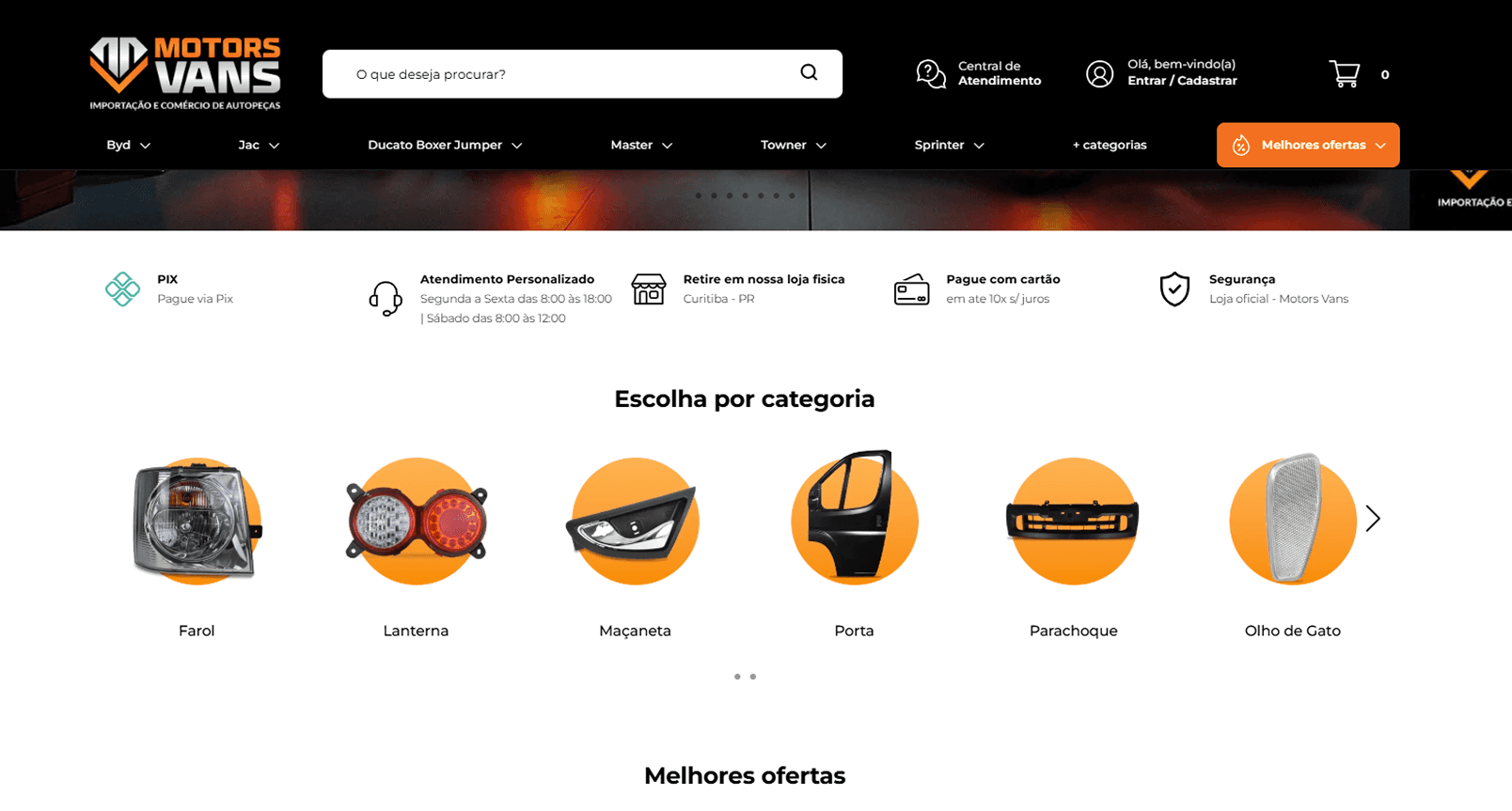
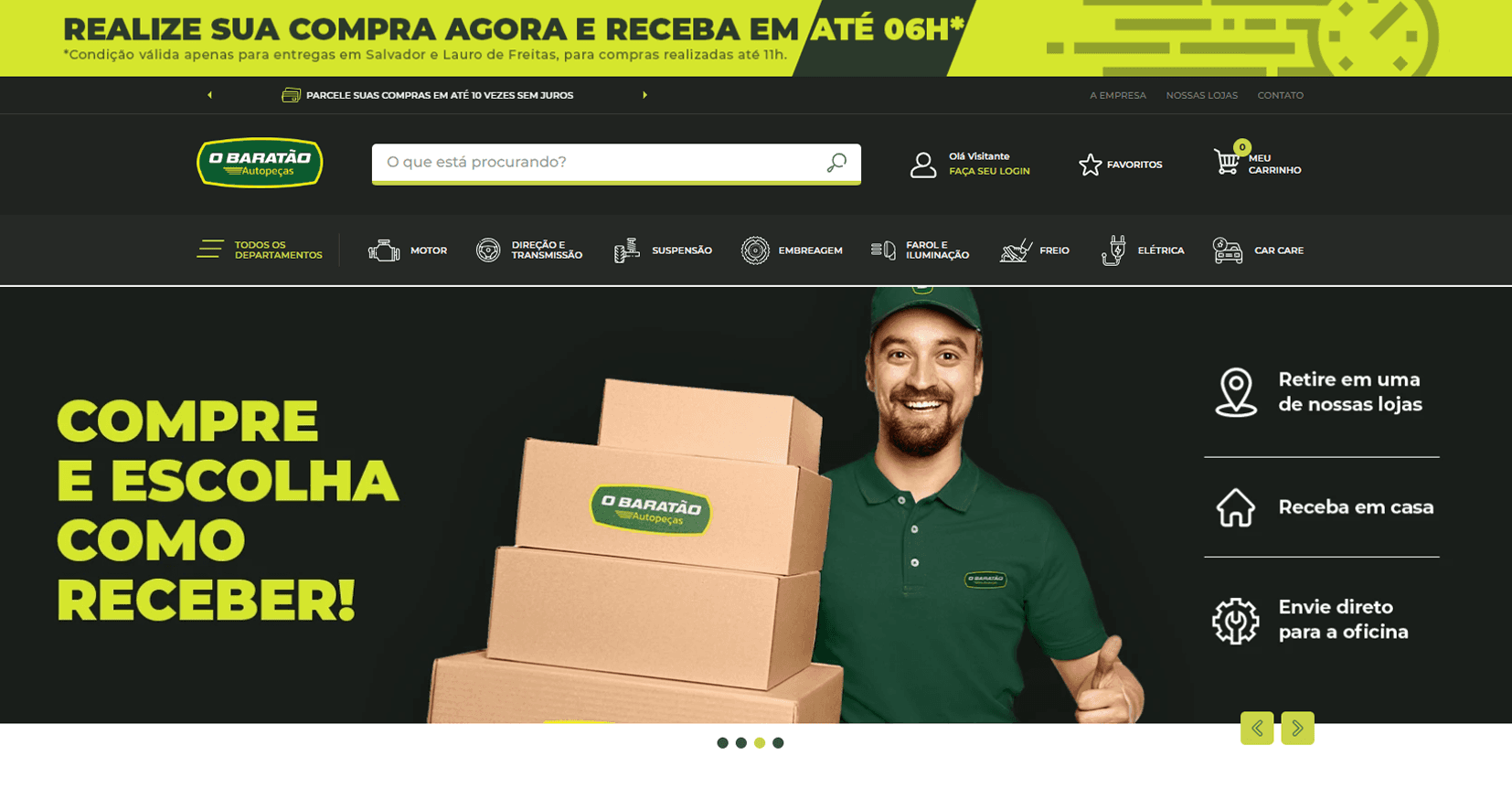
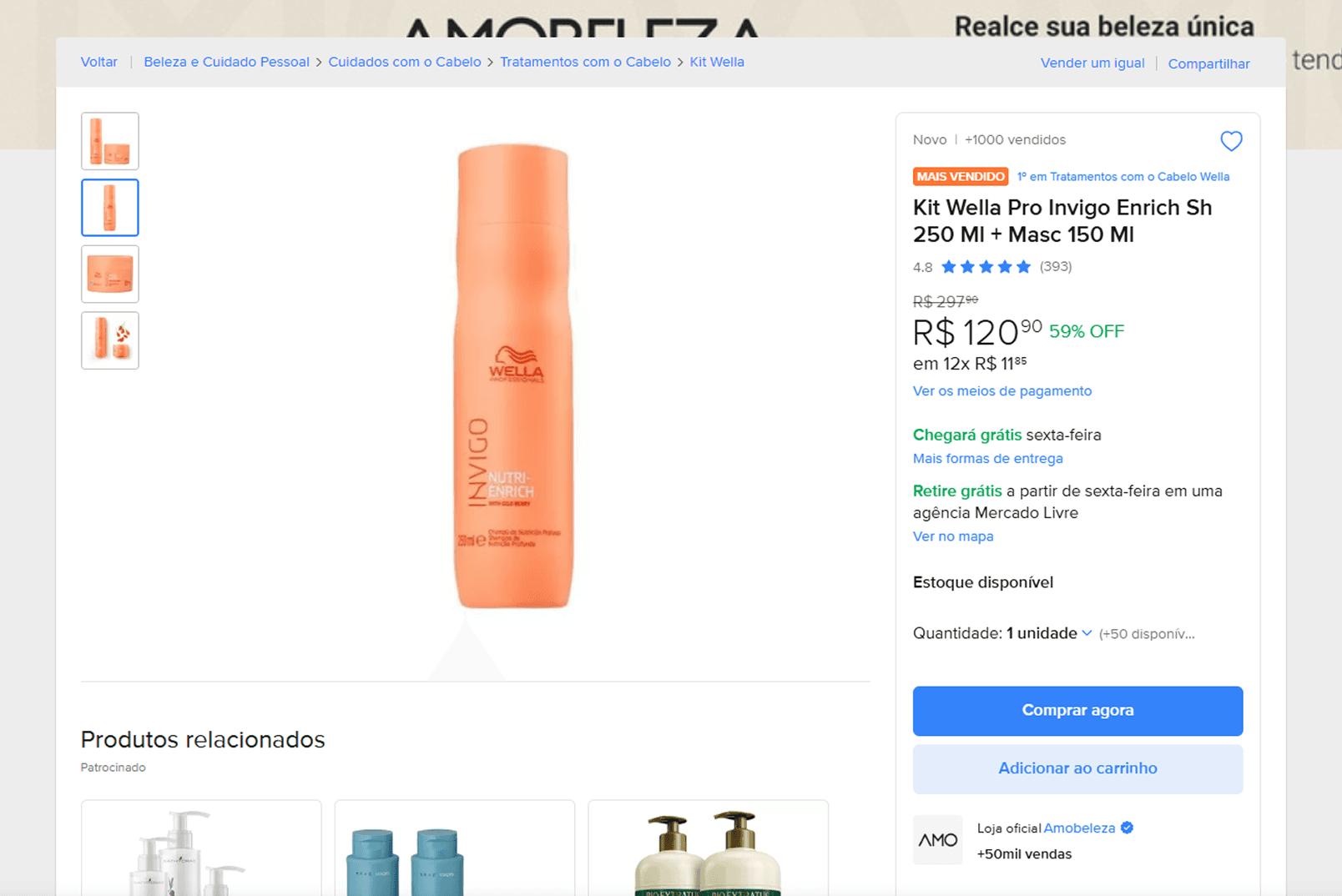
To identify opportunities for the new Autopec experience, I analyzed automotive e-commerce platforms and digital sales channels to understand how they organize products, guide users and support online purchases.

The benchmark included:
  • O Baratão Autopeças


  • Mercado Livre


  • IveParts


  • MotorVans

I focused on:
  • Navigation & information architecture

  • Product categorization

  • Search & product discovery

  • Content hierarchy

  • Calls to action

  • Shopping interactions

To identify opportunities for the new Autopec experience, I analyzed automotive e-commerce platforms and digital sales channels to understand how they organize products, guide users and support online purchases.

The benchmark included:
  • O Baratão Autopeças


  • Mercado Livre


  • IveParts


  • MotorVans

I focused on:
  • Navigation & information architecture

  • Product categorization

  • Search & product discovery

  • Content hierarchy

  • Calls to action

  • Shopping interactions

Information Architecture & User Flow

The website structure was reorganized to create a clearer relationship between categories, products and key sections of the e-commerce experience.

Mapping the customer journey from product discovery to purchase completion.

The flow was structured to support different ways of finding products, from browsing categories to searching directly, followed by product selection, checkout and order completion.

Wireframes

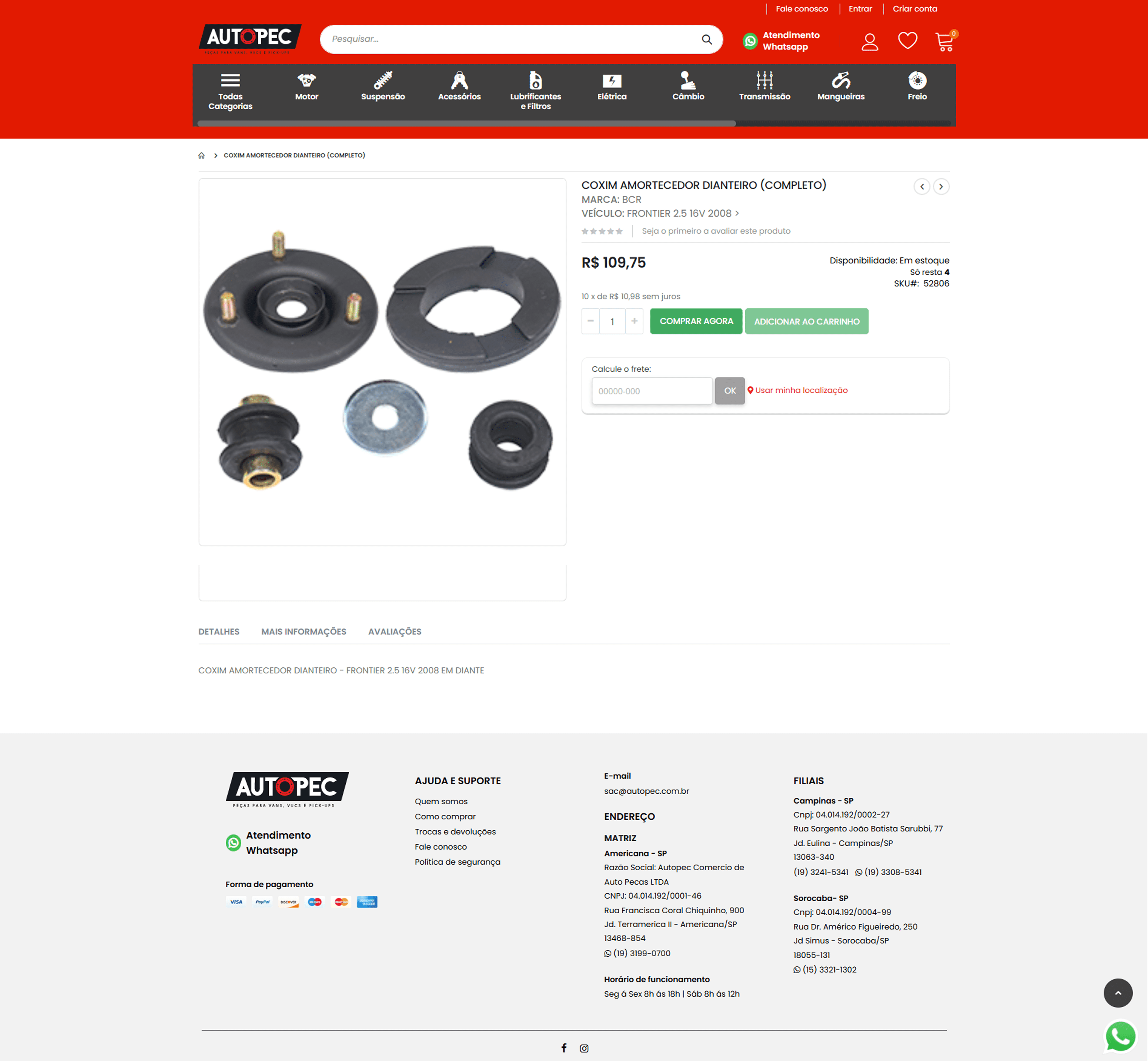
Wireframes were used to translate the defined information architecture into page layouts, helping establish the placement of content, navigation and key interactions before moving into the final interface.

The focus was on validating the organization of each page and creating a clear foundation for the visual design.

UI Design

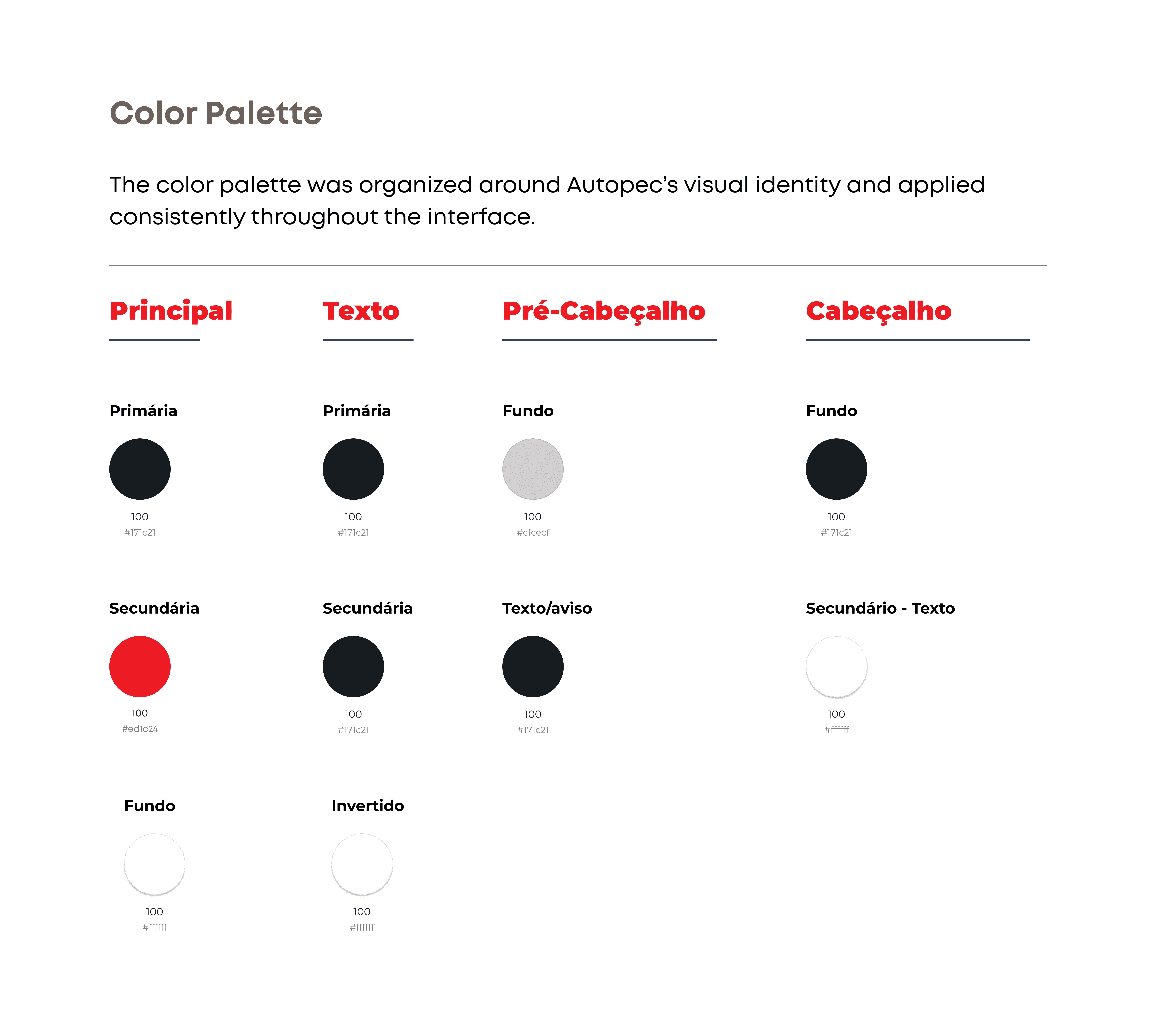
Developing a consistent visual language and reusable interface components within the existing website framework.

The interface was developed within the Tray platform, using its existing framework while introducing new visual patterns and reusable components to support the redesigned experience.
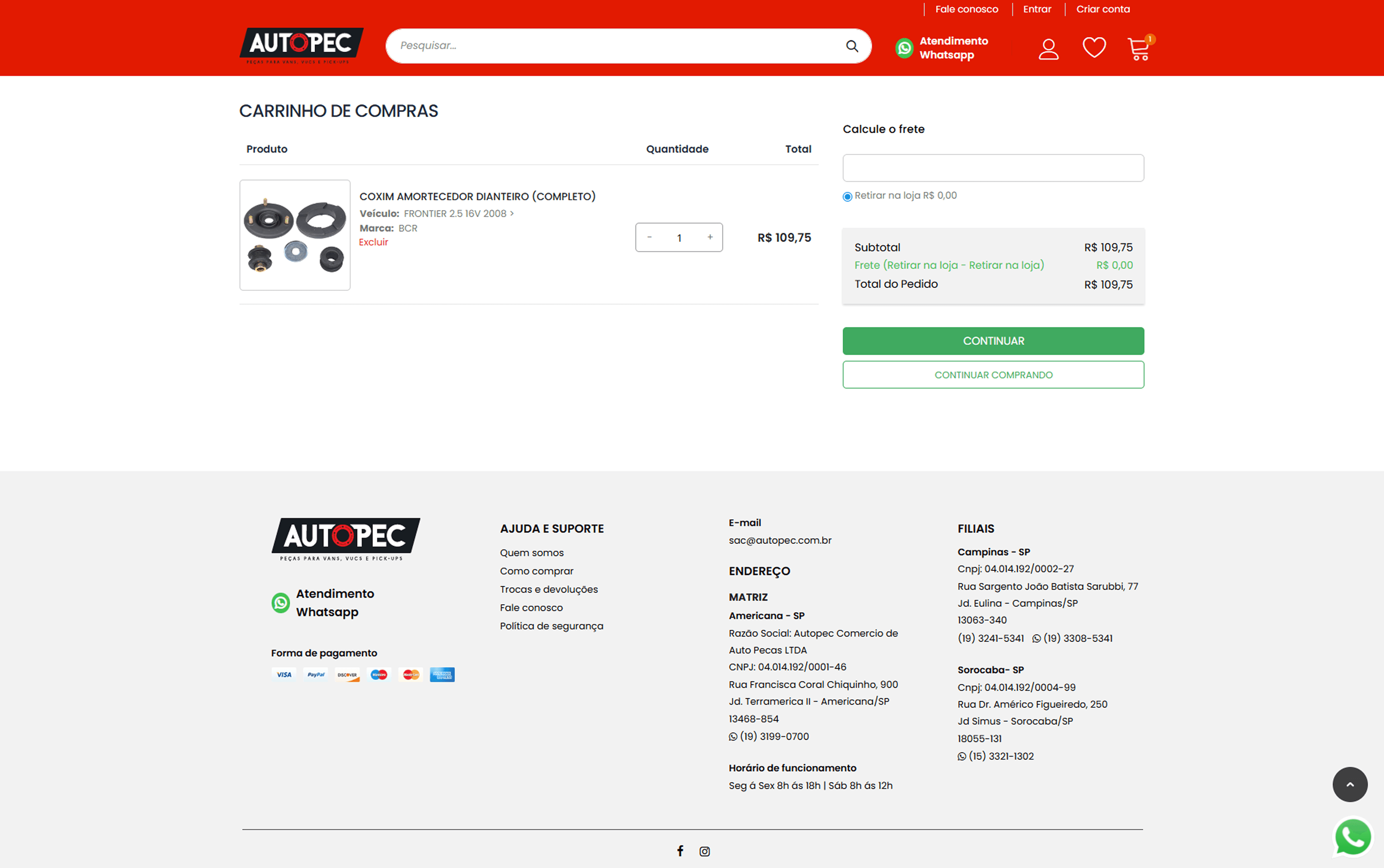
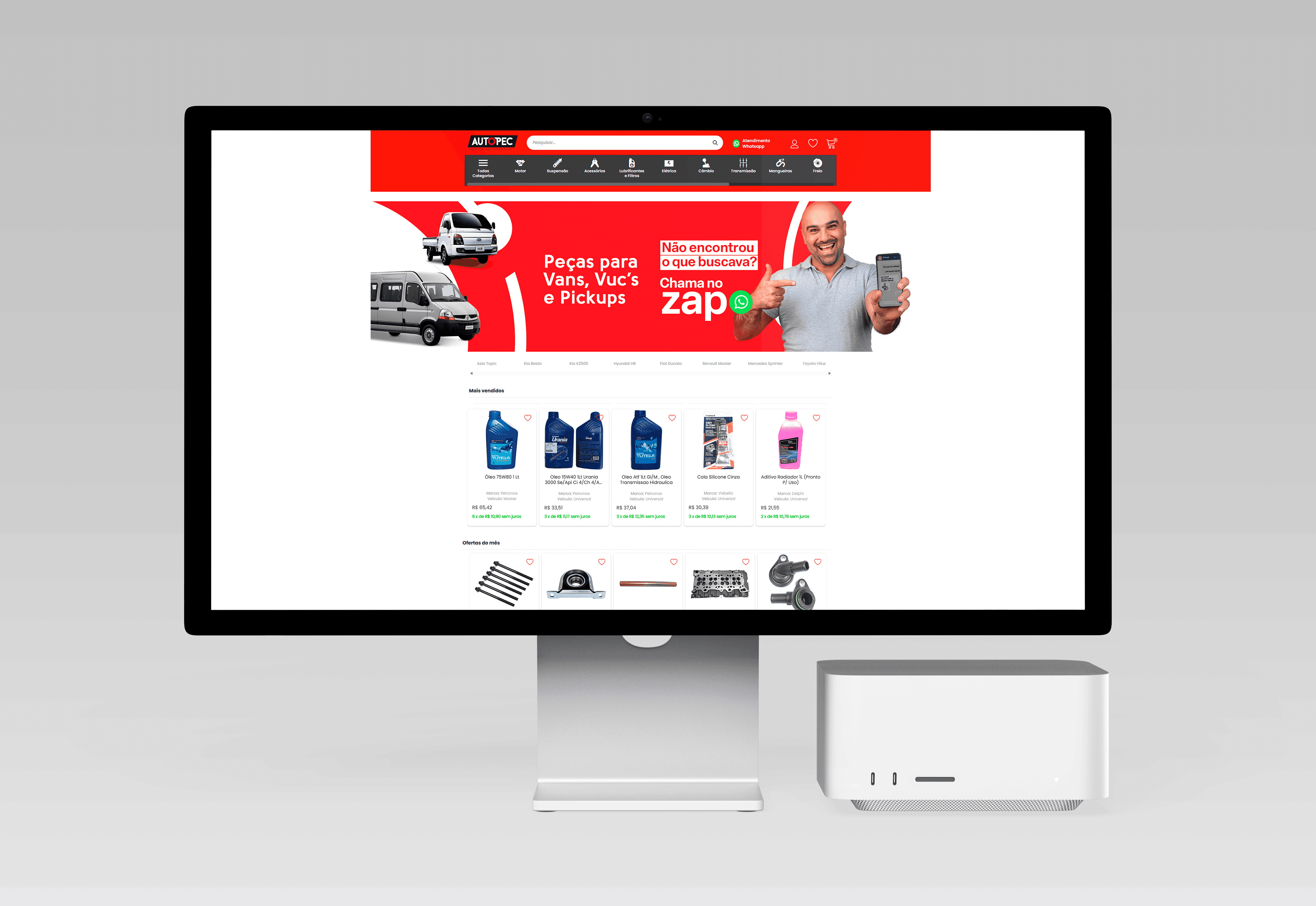
Final Website

Bringing the redesigned experience to the live Autopec e-commerce website.

The final interface applied the defined information architecture, user flows and UI patterns within the Tray platform, creating a more structured and consistent shopping experience.

Lessons Learned

Working with the Tray platform was a continuous learning process. Understanding its capabilities and limitations helped me make more informed design decisions within a predefined structure.

Analyzing competitors throughout the project also helped me better understand market patterns and identify opportunities to improve Autopec’s digital experience while keeping its established business model in mind.

View Figma prototype

Let’s talk

  • Social

Location

Campinas , Brazil

E-mail

raniericontatos@gmail.com

Let’s talk

  • Social

Location

Campinas , Brazil

E-mail

raniericontatos@gmail.com

Let’s talk

  • Social

Location

Campinas , Brazil

E-mail

raniericontatos@gmail.com